
Blog

The latest advancement in identity and access management (IAM) is something called zero standing privilege. It's a response to new agentic AI risks.

Big surprise: it's way easier to generate new code with AI than to reuse old code. But what are the long-term effects?

Agentic coding tools have become the default. "When we've taken that away accidentally from people, they scream."

My latest for LeadDev considers how engineering leaders should respond in the wake of uncertainty in the AI model market.

I'm working with Zuplo on some new content around their MCP Gateway release. First up: a deep comparison of MCP gateways on the market!

The constant barrage of AI layoffs is overshadowing the economic reasons behind these cuts, as well as the net-positive talent redistribution happening at large.

My latest for InfoWorld reviews MCP servers and agent-ready tools for connecting AI agents with popular database styles.

For my latest DirectorPlus edition, Joel Carusone from NinjaOne shares how engineering leaders can build the muscle for making tough calls.

My latest InfoWorld feature explores how Model Context Protocol (MCP) supports context engineering for AI-assisted coding.

My latest for Nordic APIs explores 10 API key security risks and what to use alongside keys for stronger API security.
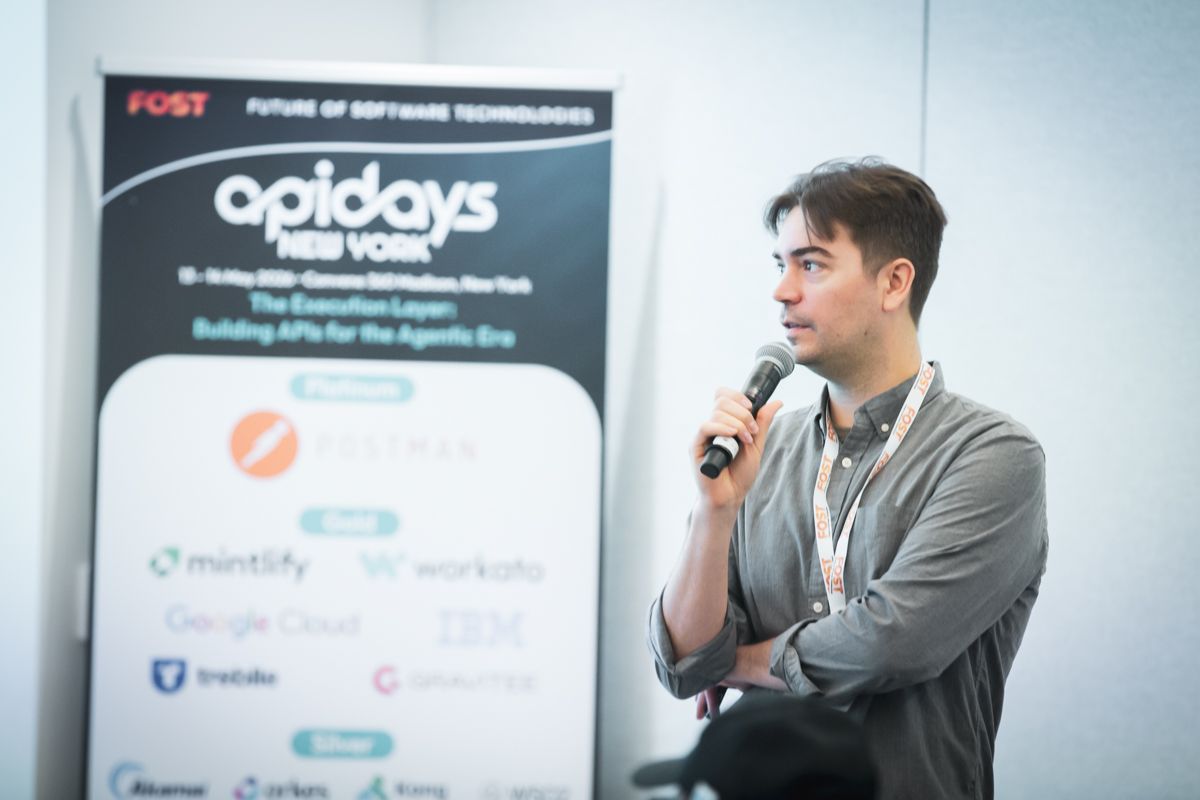
The yearly API conference, apidays New York, is a hotbed for solid discussion on what's top of mind in the API space, and as MC I had a front row seat.

My latest for CIO Online features real results form CIOs actively deploying AI agents to empower sales and revenue teams.

Reports say consumers are souring on AI everywhere, all the time. So, at the risk of losing trust, or even potential business, is adding AI to an existing product really worth it?

Cloudflare rebuilt Next.js over a weekend using agentic coding.

My InfoWorld feature reviews the key building blocks in agentic systems and with real-world examples from Shopify, Block, and others.

My latest InfoWorld feature explores what makes an enterprise MCP registry effective, from semantic discovery to governance and security for AI agents.

My first-ever contribution to CSO Online looks at the shifting landscape, from perimeter-based security to API security, and how CISOs are responding.

My latest feature for The New Stack looks into solutions being proposed to fix open source Slopmageddon.

My latest DirectorPlus looks at how agentic AI is reshaping platform engineering at Squarespace: less shared code and more developer experience focus.

Usage-based pricing is reshaping the API economy. Discover 5 API monetization success stories, including OpenAI, Plaid, and AssemblyAI.
